
Table of Contents
Introduction
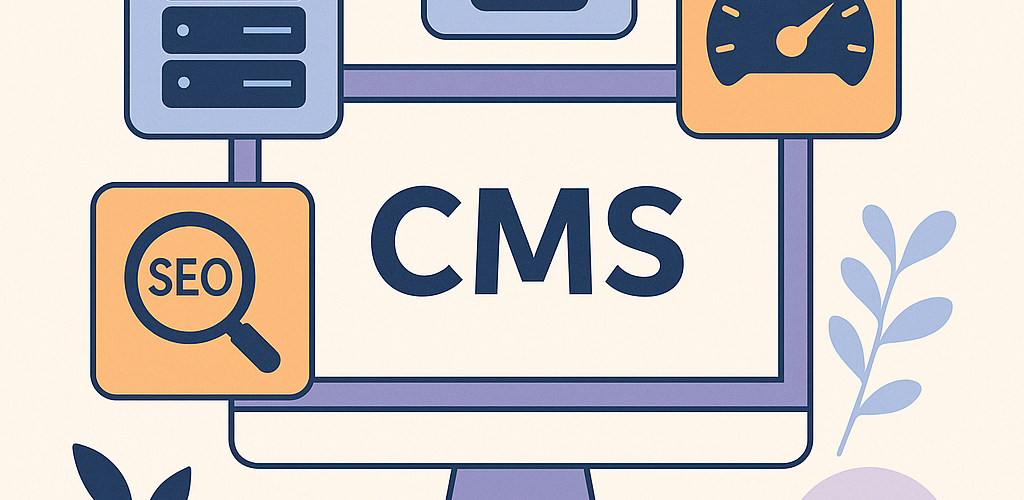
A content management system (CMS) lets a team create, edit, and publish website content without writing code for every change. Designers use a CMS to separate content from layout, which supports consistent branding and faster updates across pages. Many platforms also provide templates, user roles, and plug-ins, which extend features such as search, forms, and e-commerce. Popular options include WordPress, Drupal, and Joomla, each with distinct strengths and support communities. Choosing the right CMS depends on content needs, security expectations, budget, integration requirements, and long-term maintenance.
What a Content Management System Is and How It Supports Web Design
A content management system (CMS) is software that stores website content in a structured way and presents that content through a design layer. Instead of hard-coding each page, a CMS uses a database for text, images, and other assets, then combines that material with templates to generate pages. This approach supports web design because designers can focus on layout, navigation, and visual standards while editors manage content in a controlled interface. Many CMS tools also support media libraries and content scheduling, which helps teams plan updates without disrupting design.
Most CMS platforms separate content from presentation through themes or templates. A designer defines page structures, typography, colours, and reusable components, then applies those rules across the site. As a result, new pages can follow the same design system without repeated build work. When a brand update occurs, a template change can refresh many pages at once, which reduces inconsistency and saves time.
A CMS also supports collaboration. User roles and permissions help a team control who can draft, review, publish, or change design settings. Version history can record edits and allow rollbacks when needed. Workflows, such as approvals for regulated content, can improve governance without slowing routine updates.
Modern CMS platforms extend design capabilities through plug-ins, modules, or apps. For example, WordPress offers themes and plug-ins that add forms, SEO tools, and page builders. Drupal provides strong content modelling and granular permissions, which suits complex sites. Adobe Experience Manager supports enterprise teams with structured content and multi-site management. When selected well, a CMS becomes the operational backbone for web design, keeping visual consistency while enabling frequent, safe content changes.
Core CMS Features That Influence Layout, Branding, and User Experience
Core CMS features shape how a site looks, feels, and performs for users. Theme and template systems sit at the centre of layout control. A strong templating layer lets designers define page structures, reusable components, and responsive behaviour once, then apply those rules across content types. When a platform supports child themes and safe overrides, teams can refresh styling without breaking core updates. Platforms such as WordPress and Drupal provide mature theming approaches, although the level of control depends on the chosen theme and build method.
Branding consistency relies on design tokens and global settings, such as typography scales, colour palettes, spacing, and button styles. Some CMS products expose these controls through a visual editor, while others require configuration in code. Either way, the best results come from a single source of truth for brand assets, supported by media libraries that handle image cropping, focal points, and file governance. Versioning also matters. When a CMS tracks changes and supports rollbacks, teams can protect brand standards and recover quickly from mistakes.
User experience depends on both front-end output and editorial workflows. Content modelling (the definition of fields and content types) helps teams structure pages for scannability, clear hierarchy, and consistent calls to action. Editorial tools such as previews, scheduling, and approval workflows reduce publishing errors and keep navigation coherent. Performance features influence perceived speed and engagement, including caching, image optimisation, and clean markup. Accessibility support also affects experience. A CMS should encourage semantic headings, alternative text, and keyboard-friendly components, aligning with guidance from the W3C Web Accessibility Initiative.
Security and permissions influence experience indirectly but strongly. Granular roles prevent accidental layout changes, while audit logs improve accountability. When these core features align, a CMS supports a consistent visual identity and a predictable, user-centred journey across the site.
Comparing CMS Types: Open-Source, Proprietary, and Headless Options
Open-source CMS platforms
Open-source CMS platforms publish their source code under a licence that permits use, modification, and redistribution. This model suits teams that need flexibility in layout, integrations, and hosting. Designers often benefit from broad theme ecosystems and mature templating options, while developers can extend the platform with custom modules or plug-ins.
WordPress suits content-led sites and marketing teams that value speed of publishing and a large plug-in marketplace. Drupal fits complex information architecture and structured content, which helps when a design system must scale across many page types. Joomla sits between the two for many organisations, offering strong content management with a moderate learning curve.
Open-source tools can reduce licence costs, yet teams should plan for maintenance. Security updates, plug-in quality, and hosting configuration influence long-term reliability. A clear governance model for extensions and code changes keeps design consistency intact.
Proprietary (commercial) CMS platforms
Proprietary CMS platforms come from a vendor that controls the codebase, roadmap, and support model. Many organisations choose this route for predictable service levels, bundled features, and formal support agreements. Designers often gain from integrated tooling for workflows, approvals, and asset management, which can shorten the path from design to publication.
Examples include Adobe Experience Manager and Sitecore, which target enterprise needs such as personalisation, multi-site governance, and advanced analytics. Vendor platforms can also simplify compliance requirements through documented controls and audited processes.
Trade-offs include higher ongoing costs and less freedom to alter core behaviour. Design teams should confirm how the platform handles templating, component libraries, and front-end frameworks, since vendor constraints can affect accessibility, performance, and the pace of visual change.
Headless CMS options
A headless CMS stores and manages content but does not control page rendering. Instead, it delivers content through an application programming interface (API), which is a structured way for software systems to exchange data. This approach suits modern web design when teams want a custom front end, a shared design system, or delivery across multiple channels such as websites, apps, and digital displays.
Platforms such as Contentful and Sanity support structured content models and flexible delivery. Designers and developers can build fast interfaces with modern frameworks while keeping content reusable. Headless architecture also helps performance, since teams can optimise rendering and caching without relying on a monolithic theme layer.
Headless solutions demand stronger technical capability. Teams must design the front end, manage previews, and define editorial workflows that match the build. Clear component definitions and content rules prevent layout drift, especially when editors create new pages from flexible blocks.
Quick comparison for web design teams
| CMS type | Best suited to | Key design advantage | Common constraint |
|---|---|---|---|
| Open-source | Customisable sites with varied budgets | Extensive theming and extension options | Quality varies across plug-ins and themes |
| Proprietary | Enterprises needing governance and support | Integrated workflows and vendor backing | Higher cost and vendor constraints |
| Headless | Omnichannel delivery and bespoke front ends | Full control of the user interface layer | Requires front-end build and preview setup |
Selection should reflect the design system, editorial needs, and delivery channels. A short proof of concept often reveals whether templating, component reuse, and preview workflows meet the required standard.
Integrations and Technical Considerations: Hosting, Security, Performance, and SEO
Hosting and deployment fit
A CMS integration plan starts with hosting, because hosting choices affect uptime, speed, and the scope for custom work. Many open-source platforms run on common stacks such as PHP and MySQL, while headless systems often rely on APIs and a separate front end. Before selecting a provider, confirm support for the CMS version, required extensions, and server-level caching. A staging environment also matters, since it lets a team test updates and design changes without risking the live site.
Managed hosting can reduce operational load when a site needs regular updates and predictable performance. For WordPress sites, WordPress.com offers managed options, while specialist providers often add tooling for backups, caching, and security hardening. If a business prefers a self-hosted approach, clear ownership of patching and monitoring becomes essential.
Security, updates, and access control
Security depends on disciplined updates, strong access control, and careful integration of third-party extensions. A CMS should support role-based permissions so editors, designers, and administrators only access what each role requires. Multi-factor authentication and single sign-on can also reduce account risk, particularly for larger teams.
Update management needs a defined cadence. Core updates, theme updates, and plug-in updates can introduce conflicts, so testing in staging should precede deployment. Ongoing care often benefits from a structured service such as WordPress Maintenance Plans, which can cover updates, backups, and monitoring in a predictable routine.
When handling personal data, align forms, analytics, and marketing tools with UK GDPR requirements. Guidance from the Information Commissioner’s Office (ICO) helps teams set appropriate consent, retention, and security measures.
Performance and resilience
Performance affects user experience and search visibility, so integrations should support fast delivery of pages and assets. A practical baseline includes:
- Caching: page caching, object caching, and a content delivery network (CDN) where appropriate.
- Image handling: modern formats, responsive images, and compression at upload.
- Database hygiene: routine clean-up, indexing, and limits on heavy queries from plug-ins.
- Monitoring: uptime checks and alerting for slow pages and server errors.
Resilience also relies on backups and recovery testing. Backups should run automatically, store copies off-site, and include both files and databases. A restore drill confirms that backups work and that a team can meet recovery time expectations.
SEO and technical signals
A CMS should make technical SEO straightforward, without forcing manual work for every page. Clean URLs, editable metadata, and structured headings support clarity for users and search engines. Schema markup (structured data) can improve eligibility for rich results when implemented correctly. XML sitemaps and robots controls also help search engines crawl the right pages.
Performance metrics influence SEO, so teams should track Core Web Vitals using Google Search Central. When a CMS relies on many extensions, audit each one for load impact and remove tools that duplicate features.
Integrations work best when hosting, security, performance, and SEO requirements shape the CMS configuration from the start, rather than being retrofitted after launch.
Selecting the Right CMS for a Web Design Project: Requirements, Governance, and Scalability
Select a CMS by starting with requirements that reflect the site’s purpose, content model, and delivery channels. Define content types, workflows, and approval steps early, since these choices affect templates, navigation, and component reuse. When stakeholders need frequent updates, prioritise an editor interface that supports structured fields, previews, and scheduled publishing. Consider how editors will search, filter, and reuse assets, since weak content management slows publishing and increases errors.
Governance should guide day-to-day control. Set clear roles for authors, editors, and administrators, then align permissions with legal and brand needs. A platform with mature access controls, such as Drupal, can suit organisations with complex publishing and compliance demands. For smaller teams, WordPress can work well when governance relies on disciplined processes and carefully selected extensions. Document ownership and escalation routes so teams resolve issues quickly and keep accountability clear.
Scalability depends on both technology and operating model. Estimate content growth, traffic peaks, and future features such as multilingual support or personalisation. Headless options, including Contentful, can scale across channels when teams plan for API usage, front-end maintenance, and content governance. Choose a CMS that fits current capability while leaving room for change without a full rebuild. Review hosting, caching, and monitoring needs early to avoid performance constraints as demand rises.
Conclusion
A content management system shapes how a website gets built, maintained, and improved. The right choice supports consistent design, clear navigation, and reliable publishing, while reducing friction between designers, developers, and content owners. Since each platform makes different trade-offs, teams gain value when they match the CMS to the content model, governance needs, and delivery channels, rather than selecting on popularity alone. Clear requirements also help teams avoid costly rework and keep delivery predictable.
Strong outcomes depend on disciplined implementation. A well-defined component library, sensible permissions, and a stable integration approach help a site stay coherent as content grows. Performance and security also require ongoing attention through updates, monitoring, and controlled extensions. Guidance from official documentation can reduce risk, such as WordPress documentation, Drupal documentation, and MDN Web Docs for web standards.
When a CMS aligns with design goals and operational reality, teams can iterate with confidence. That alignment keeps branding consistent, supports accessible user experiences, and enables measured change without repeated rebuilds. It also clarifies ownership, so reviews, approvals, and releases follow a repeatable cadence.